Spring in Albuquerque brings warmer weather and the urge to hit the road, but it also reveals the toll winter has taken on local streets. Potholes, cracked pavement, and rough patches that developed over the colder months can wreak havoc on your vehicle’s suspension system. If you’ve noticed your ride feeling bouncier than usual, heard clunking sounds over bumps, or felt your steering wander, you’re likely dealing with a suspension problem that needs attention.
Your suspension system does more than provide a comfortable ride. It keeps your tires firmly planted on the road, maintains proper steering control, and helps your brakes work effectively. When shocks and struts wear out, the consequences extend far beyond a rough ride. Understanding how spring road conditions affect your suspension can help you catch issues early and keep your vehicle safe for daily commutes, family trips, and those weekend adventures into the Sandias.
Why Albuquerque Roads Are Especially Hard on Shocks and Struts
The desert climate in and around Albuquerque experiences significant temperature swings between day and night during winter months. This freeze-thaw cycle causes pavement to expand and contract, creating cracks that eventually become potholes. Add in occasional snow and ice, and roads deteriorate faster than crews can repair them.
By the time spring arrives, you’re navigating a minefield of road imperfections. Each pothole strike sends a jolt through your suspension components. Even smaller bumps and rough patches accumulate stress over time. Your shocks and struts absorb thousands of these impacts, and eventually, that wear catches up.
Understanding Your Suspension System
Before you can recognize a suspension problem, it helps to know what these components actually do and how they work together to keep your vehicle stable and comfortable.
What Shocks and Struts Do
Shocks (shock absorbers) and struts serve similar purposes but differ in design. Both control how your springs and suspension move, dampening the energy from road impacts so your vehicle doesn’t bounce uncontrollably.
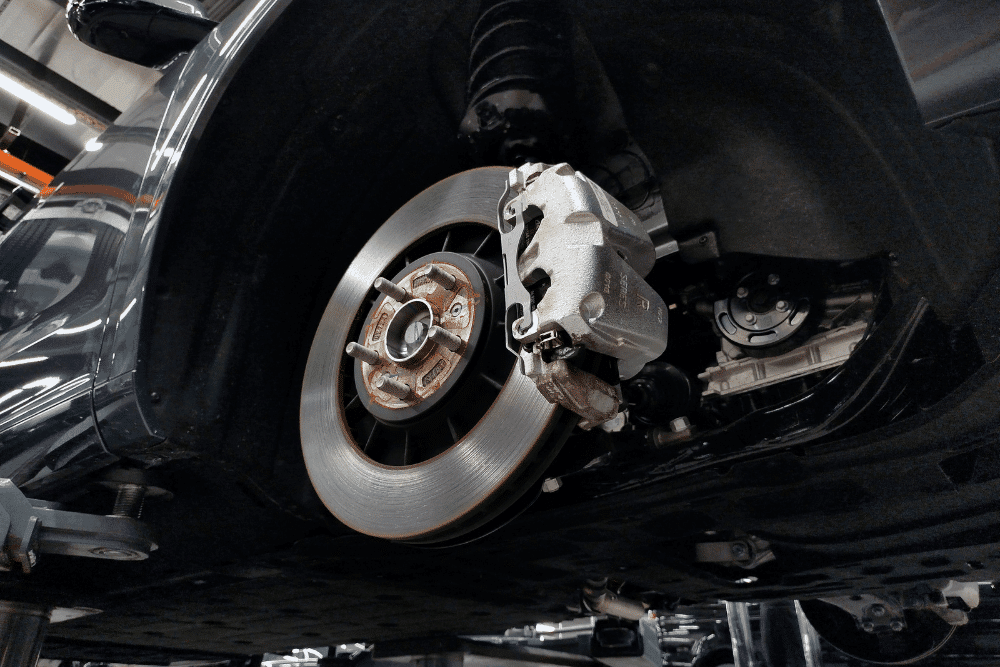
Shocks are standalone components that only dampen movement. Struts are structural parts that combine a shock absorber with other suspension components like the coil spring and steering knuckle. Most vehicles have struts in the front and shocks in the rear, though configurations vary by make and model.
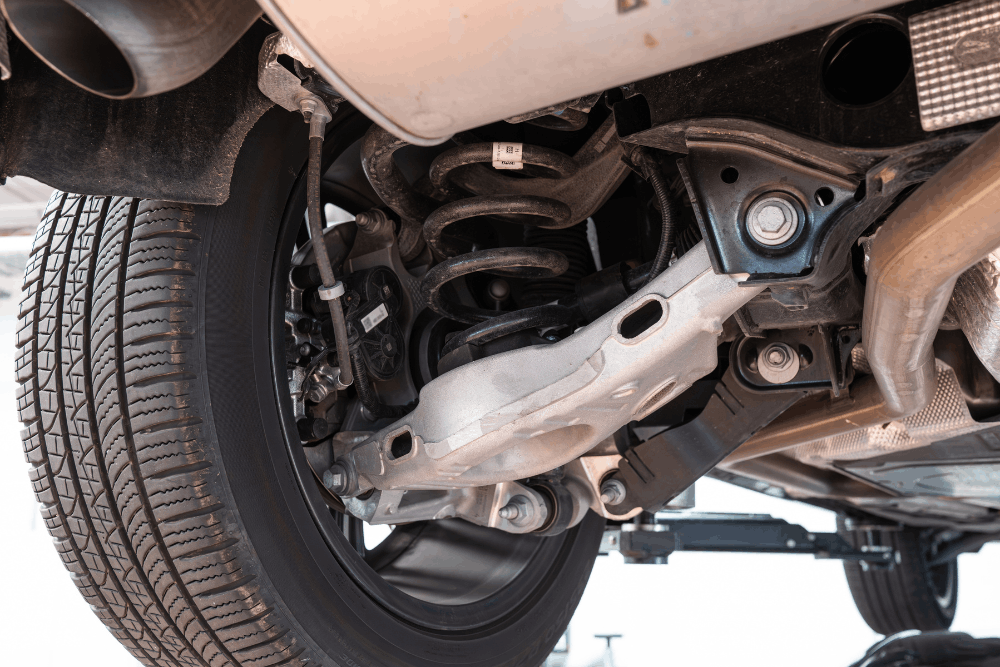
Other Key Suspension Components
Your suspension system includes several interconnected parts that work together:
- Control arms connect the wheel hub to the frame and allow vertical movement
- Ball joints act as pivot points between the control arms and steering knuckles
- Bushings cushion metal-to-metal contact points and reduce vibration
- Sway bars (stabilizer bars) minimize body roll during turns
- Tie rods connect the steering rack to the steering knuckles
When any of these components wear out, the entire system becomes compromised. Worn bushings can make shocks and struts work harder. Damaged ball joints can throw off alignment and accelerate tire wear. Everything connects, which is why addressing suspension problems early prevents more expensive repairs down the road.
Warning Signs of Suspension Wear
Suspension problems rarely appear overnight. They develop gradually, which makes them easy to overlook until they become serious. Pay attention to these warning signs:
Changes in Ride Quality
The most obvious sign of worn shocks or struts is a rougher ride. You’ll feel more of every bump, crack, and uneven surface. The vehicle may bounce excessively after hitting a pothole or dip. If your ride used to feel smooth and now feels harsh, your shocks or struts likely need attention.
Handling and Steering Issues
Worn suspension affects how your vehicle responds to your inputs. You might notice the steering feels looser or less precise. The vehicle may pull to one side, wander on the highway, or feel unstable during lane changes. Body roll during turns becomes more pronounced, and the nose may dive forward during braking more than usual.
Unusual Noises
Listen for clunking, knocking, or squeaking sounds when driving over bumps or rough roads. These noises often indicate worn bushings, loose components, or metal-to-metal contact where cushioning has failed. Creaking sounds when turning the steering wheel can point to worn strut mounts or ball joints.
Visual Signs
Sometimes you can spot suspension problems just by looking at your vehicle. Uneven tire wear patterns suggest alignment issues caused by worn suspension components. If one corner of the vehicle sits lower than the others, a spring or strut may have failed. Leaking fluid on a shock or strut indicates the seal has broken and the component needs replacement.
How Northeast Heights Roads Accelerate Suspension Wear
The Albuquerque area presents unique challenges for suspension components. Extreme temperature variations stress rubber bushings and seals, causing them to crack and deteriorate faster. Dust and sand work their way into joints and pivot points, accelerating wear. UV exposure from intense desert sun breaks down rubber and plastic components over time.
The combination of rough roads and harsh environmental conditions means suspension components in this region may not last as long as they would in milder climates. Regular inspections become even more important to catch problems before they lead to unsafe driving conditions or damaged tires.
If you’re noticing any of these warning signs, don’t wait until the problem gets worse. Visit Albuquerque Auto Repair & Tire at 8661 San Pedro Drive NE, Albuquerque, NM 87113, or call 505-317-4232 to schedule a steering and suspension inspection. Catching issues early saves money and keeps you safe on the road.
The Inspection and Repair Process
When you bring your vehicle in for a suspension concern, here’s what you can expect from a professional evaluation and how repair decisions get made.
What Our Technicians Look For
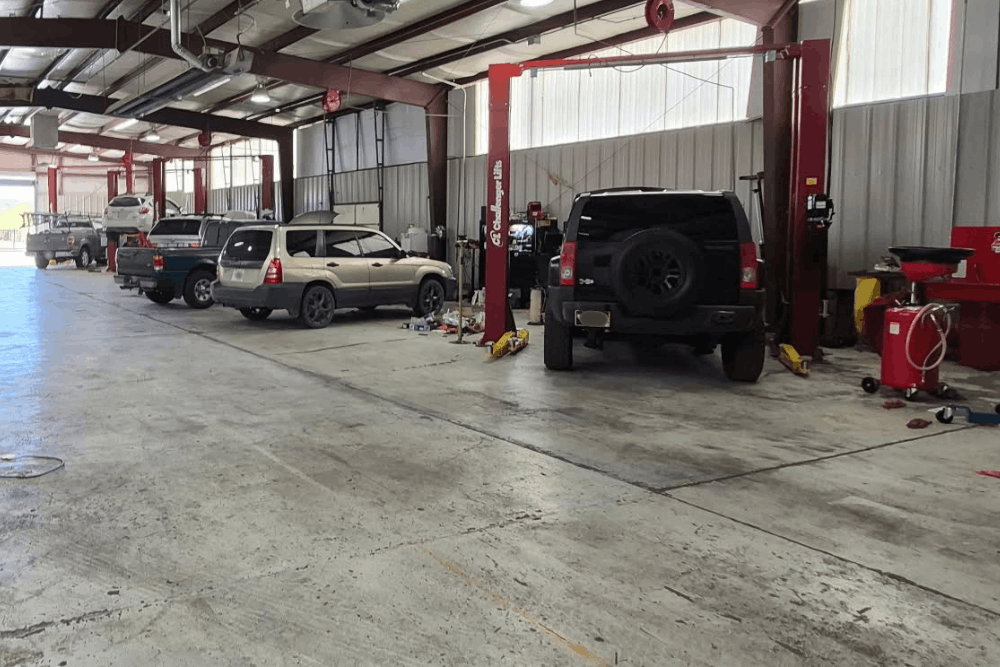
A thorough suspension inspection involves more than just bouncing each corner of the vehicle. Our trained technicians examine each component for wear, damage, and proper function. They check for leaking shocks and struts, worn bushings, loose or damaged ball joints, and bent or broken control arms. Tire wear patterns provide clues about alignment and suspension health.
Repair vs. Replacement Decisions
Some suspension components can be repaired, but shocks and struts are always replaced when worn. These hydraulic components cannot be rebuilt cost-effectively. When replacing shocks or struts, it’s generally recommended to do both sides of the same axle at once. Mixing new and worn components creates uneven handling and accelerates wear on the new parts.
Ball joints, tie rod ends, and control arm bushings are typically replaced rather than repaired as well. In some cases, replacing the entire control arm with bushings pre-installed is more economical than pressing in new bushings separately.
Alignment After Suspension Work
Any time suspension components are replaced, an alignment check is essential. Even if the alignment was fine before, removing and reinstalling components changes the geometry. A proper alignment ensures your tires wear evenly and your vehicle tracks straight. Skipping this step after suspension repairs can lead to premature tire wear and handling problems.
How Long Should Shocks and Struts Last?
Under normal driving conditions, shocks and struts typically last 50,000 to 100,000 miles. However, driving conditions significantly affect lifespan. Frequent travel on rough roads, hauling heavy loads, and aggressive driving all shorten component life.
In the Albuquerque area, where road conditions and climate create additional stress, you might see wear sooner than the upper end of that range. Rather than relying on mileage alone, pay attention to how your vehicle feels and have the suspension inspected if you notice changes in ride quality or handling.
Getting Your Vehicle Road-Ready for Albuquerque's Spring Season
While you can’t prevent suspension wear entirely, you can minimize unnecessary damage:
- Slow down for potholes and rough patches when safe to do so
- Avoid overloading your vehicle beyond its rated capacity
- Check tire pressure regularly, as underinflated tires transfer more impact to suspension components
- Have your alignment checked annually or after hitting a significant pothole
- Address small problems before they cause additional damage to other components
Not sure where to start? Bring your vehicle in, and our team will check everything over for you.
Why Choose Albuquerque Auto Repair & Tire
We’re your neighbors, and we treat every vehicle like it belongs to family. Our team was built on the idea that auto repair should feel straightforward, not stressful. You deserve to know exactly what’s going on with your vehicle and why a repair matters, without the pressure or the runaround.
When you bring your vehicle in for steering and suspension work, we walk you through what we find. Our digital vehicle inspections send photos and videos directly to you, so you’re never left guessing. You see the worn parts, you understand the recommendation, and you decide what happens next.
- Local team rooted in the community
- 3-year, 36,000-mile warranty because we stand behind our work
- Hunter alignment system for precise suspension and steering adjustments
- Full synthetic oils on every oil service
- 15% off parts and labor for active duty military and first responders (excludes tires)
Whether you’re hauling the kids to practice, commuting across town, or gearing up for a weekend in the Sandias, we’re here to keep you moving safely.
FAQs About Suspension Problems in Albuquerque, NM
What are the signs of worn shocks or struts?
Common signs include a bouncier ride, excessive body roll during turns, nose diving when braking, and clunking noises over bumps. You may also notice uneven tire wear or fluid leaking from the shock or strut body.
Why does my suspension feel rough over bumps?
A rough-feeling suspension usually indicates worn shocks or struts that can no longer dampen road impacts effectively. Worn bushings, damaged springs, or loose components can also contribute to a harsher ride quality.
How long do shocks typically last in desert climates?
In desert climates like Albuquerque, shocks typically last 50,000 to 80,000 miles due to temperature extremes, dust, and UV exposure that accelerate wear. Rough road conditions can shorten this lifespan further, so regular inspections are important.
Can I drive with a bad shock absorber?
You can technically drive with a worn shock absorber, but it’s not safe. Damaged shocks reduce braking efficiency, increase stopping distance, and make your vehicle harder to control, especially on uneven roads or during emergency maneuvers.
How much does it cost to fix a car suspension?
Suspension repair costs vary widely depending on which components need replacement. Simple shock or strut replacement might run a few hundred dollars per axle, while extensive repairs involving control arms, ball joints, and alignment can cost more. Every vehicle and situation is different, so the best way to get an accurate number is to bring it in. Our team at Albuquerque Auto Repair & Tire will inspect your suspension and walk you through exactly what’s needed before any work begins.
Schedule Your Suspension Problem Inspection in Albuquerque, NM Today
Ready to find out what’s causing that rough ride or strange noise? Schedule your steering and suspension inspection today with the trusted team at Albuquerque Auto Repair & Tire. Visit us at 8661 San Pedro Drive NE, Albuquerque, NM 87113, or call 505-317-4232 to book your appointment. We’ll get you back on the road quickly, safely, and confidently.