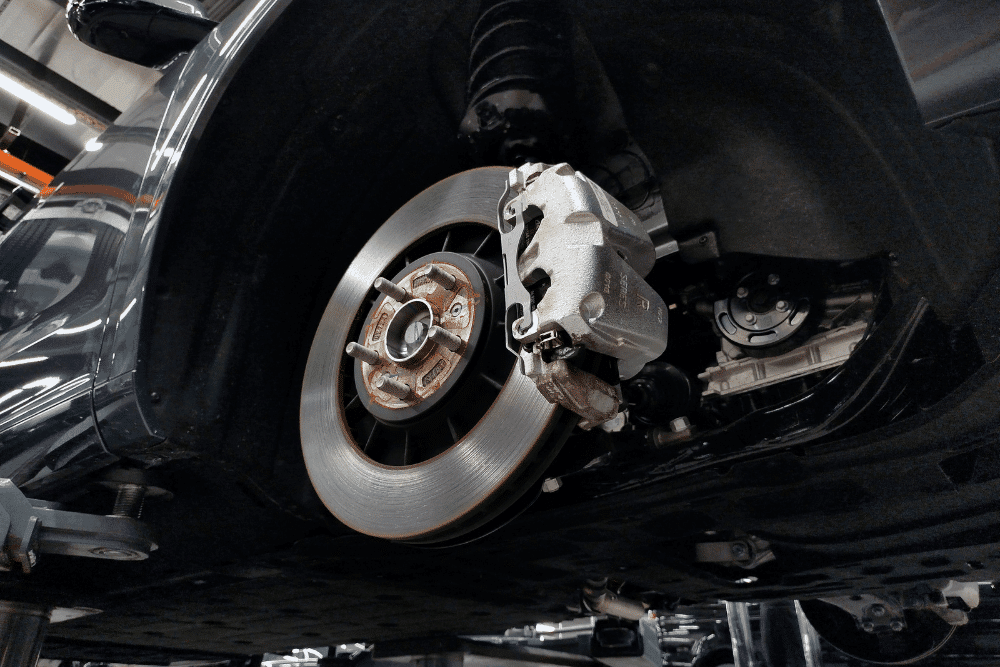
Squeaking or grinding brakes almost always mean your brake pads are worn down, and putting off brake repair only turns a simple fix into a much bigger repair bill. At Albuquerque Auto Repair & Tire in Albuquerque, NM, we see brake complaints climb every August when families jump back into the school carpool routine and rack up extra stop-and-go miles around drop-off lines and traffic lights. If your pedal feels soft, your car pulls to one side, or you hear that telltale squeal at every stop sign, now’s the time for a brake inspection, before the first bell rings and your daily driving load doubles.
This guide walks you through the warning signs of worn brakes, what a real brake pad replacement involves, and why Albuquerque drivers count on us to keep their families safe on the road.
Why Brakes Wear Out Faster During Back-to-School Season
Summer road trips are over, and now your vehicle is back to short hops: school drop-off, soccer practice, the grocery run, repeat. Short, frequent trips with a lot of braking are actually harder on your brake pads than long highway drives. Add in Albuquerque’s stop-and-go traffic on routes like San Pedro Drive and Interstate 25, and brake wear speeds up fast.
Heat plays a role too. Hot New Mexico summers add extra stress on your braking system, especially if pads were already thin from spring and summer driving. That combination often means pads reach the end of their life right as back-to-school traffic ramps up. And with the windows down on these late-summer drives, that squeal you’ve been half-ignoring all summer suddenly gets a lot harder to tune out. If you’re hearing it clearly with the A/C off and the windows cracked, your pads are telling you they’re done, not just getting there.
Common Signs Your Brakes Need Attention
Worn brakes rarely fail without warning. Your vehicle usually tells you first. Watch for:
- Squeaking or squealing at stops: A high-pitched squeal is often a built-in wear indicator letting you know the brake pads are getting thin.
- Grinding noise when braking: A metal-on-metal grinding sound means the pads are gone and the rotors may already be damaged.
- Vehicle pulls or vibrates when braking: This can point to uneven pad wear, a stuck caliper, or a warped rotor.
- Soft or spongy brake pedal: A pedal that sinks toward the floor can signal air or moisture in the brake fluid, or a fluid leak.
If you drive a Toyota 4Runner for weekend trips to the Sandias or a Subaru Outback loaded with camping gear, these symptoms show up the same way. Worn friction material doesn’t care what’s parked in your garage.
Don't Overlook Your Brake Fluid
Worn pads aren’t the only thing that fails quietly. Brake fluid absorbs moisture over time, and in stop-and-go carpool traffic, that moisture lowers the fluid’s boiling point right when your brakes are working hardest. Degraded fluid means a softer pedal and longer stopping distances, even if your pads still have some life left. In heavy braking conditions like school zones and drop-off lines, that’s not a small thing. A brake inspection should always check fluid condition alongside pad thickness, not one or the other.
What Happens During a Professional Brake Repair in Albuquerque, NM
A proper brake repair starts with a real inspection, not a guess. Here’s what our process includes:
- Pad thickness check: We measure remaining brake pad material to see how much life is left.
- Rotor inspection: We check for warping, grooving, or excessive wear.
- Brake line and caliper inspection: We look for leaks, sticking calipers, or worn hardware.
- Fluid quality check: We test brake fluid condition, since contaminated fluid affects stopping power.
- Photo documentation (DVI): We perform DVIs (digital vehicle inspections) so you can see exactly what our technicians found, with photos, before any work begins. This isn’t a diagnostic tool. It’s a transparency tool that shows you what’s actually going on with your vehicle so you’re never guessing what you’re paying for.
From there, brake pad replacement typically involves:
- Removing the wheel to access the brake assembly
- Retracting the caliper to make room for new pads
- Installing new brake pads
- Resurfacing or replacing the rotors if they’re worn beyond spec
Every repair we complete is backed by our 3-year, 36,000-mile warranty, because we stand behind the work we do the first time.
The Real Cost of Ignoring Worn Brake Pads
Ignoring squeaking brakes doesn’t make the problem go away. It makes it more expensive. Worn pads that grind against the rotor will damage that rotor, turning a pad-only job into a pad-and-rotor job. Left even longer, stopping distances get longer with every mile you drive on thin pads, and the added strain can accelerate wear on rotors and calipers. That’s why pad wear, fluid condition, and hardware all deserve a look during the same inspection.
For families doing school pickup and carpool runs, this isn’t just a repair bill issue. It’s a safety issue. Stop-and-go traffic near schools means sudden stops, and your brakes need to respond every single time. A brake inspection now is a lot cheaper than a preventable accident later.
This is why we always recommend full brake pad replacement at the first sign of wear, rather than waiting to see how far you can stretch it. Replacing pads early protects your rotors and keeps your whole system working the way it should, so you’re not paying for a bigger repair down the road.
Why Choose Albuquerque Auto Repair & Tire for Brake Repair in Albuquerque, NM
Brake repair isn’t a place to cut corners, and we don’t. Here’s what sets us apart when it’s time for a brake inspection or brake pad replacement:
- Precision, every time: Every brake job is done with care and attention to detail, done right the first time.
- Honest, transparent service: Our DVI process shows you exactly what our technicians find, with no pressure and no upsells.
- 3-Year, 36,000-mile warranty: We stand behind every brake repair we complete.
- Financing available: Brake repairs shouldn’t have to wait on your paycheck.
- Military and first responder discount: We offer 15% off parts and labor for active duty military, veterans, and first responders (tires excluded).
Ready to get your brakes checked before the school year picks up? Visit us at 8661 San Pedro Drive NE, Albuquerque, NM 87113, or call 505-317-4232 to schedule your brake repair in Albuquerque today.
You can also explore our brake repair services or learn more about our vehicle inspections before you book.
Serving Drivers Throughout the North Valley and Near Kirtland Air Force Base
We also see a lot of Jeep Wranglers, Subarus, and Toyota trucks from the North Valley, and we’re proud to support the military families stationed near Kirtland Air Force Base.
Wherever you’re driving from within a few miles of our shop on San Pedro Drive NE, our team is ready to get your brakes checked before your next carpool week begins.
FAQs About Brake Repair in Albuquerque, NM
Why are my brakes squeaking when I come to a stop?
Squeaking brakes are usually caused by worn brake pads reaching their built-in wear indicator. A quick brake inspection can confirm whether it’s time for a brake pad replacement.
How long do brake pads typically last in city driving?
Most brake pads last between 25,000 and 65,000 miles, but stop-and-go city driving wears them down faster than highway miles. Short trips with frequent braking, like school drop-off routes, can shorten that lifespan significantly.
What are the warning signs of a failing brake system?
Warning signs include squealing, grinding, a soft or sinking brake pedal, and the vehicle pulling to one side when braking. Any of these signs means it’s time for a professional brake inspection.
How much does a professional brake repair cost?
Brake repair costs vary depending on the vehicle and whether pads, rotors, or both need replacement. A shop can only give you an accurate quote after inspecting your specific brake system.
Does my brake fluid need to be flushed or changed?
Brake fluid absorbs moisture over time, which can lower its boiling point and reduce braking performance. Most manufacturers recommend a brake fluid flush every two to three years to keep the system working properly.
Schedule Your Brake Repair in Albuquerque, NM Today
Worn brakes don’t get better on their own, and back-to-school traffic is the worst time to find out the hard way. Schedule your brake repair today with Albuquerque Auto Repair & Tire. Visit us at 8661 San Pedro Drive NE, Albuquerque, NM 87113, or call 505-317-4232 to book your appointment. We look forward to getting you back on the road safely and confidently.