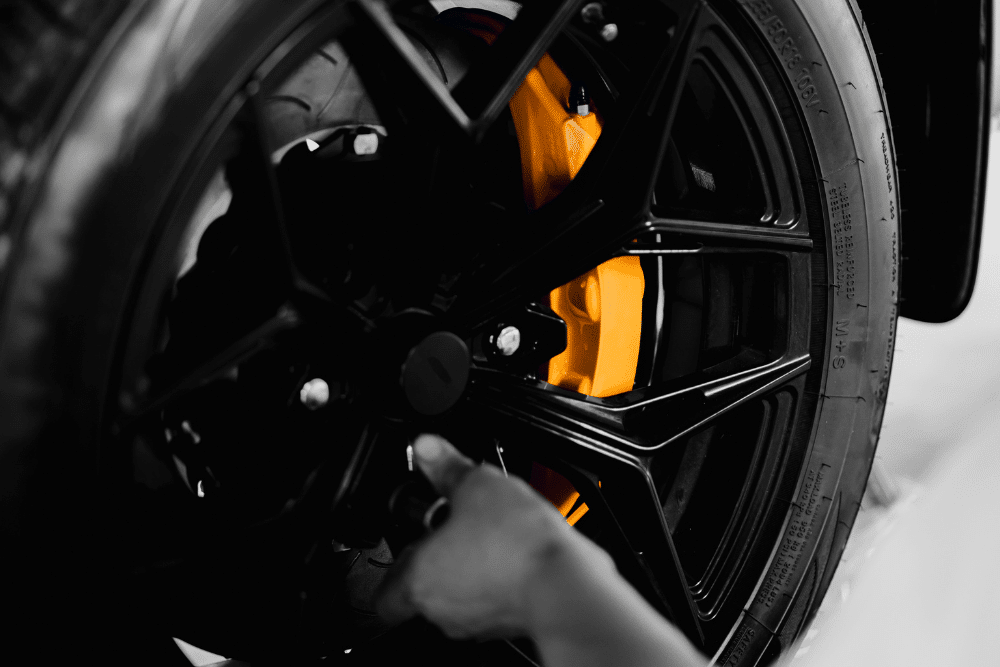
Temperatures drop steadily through fall in Albuquerque, and when overnight temperatures dip into the 20s, your tires lose pressure and your brakes face conditions they haven’t seen since last winter. That first cold snap is when we see the most issues during a tire and brake maintenance, because problems that were minor in summer suddenly become safety risks in cold weather.
At Albuquerque Auto Repair & Tire, we’ve seen countless vehicles roll in after that early freeze with tire and brake problems that could have been caught earlier.
In this guide, we’ll cover five critical checks: tire pressure management, tread depth evaluation, brake system inspection, rotation and alignment, and determining whether your all-season tires can handle Albuquerque’s unique mountain-state conditions.
Why Albuquerque's Climate Is Trickier Than You Think
Albuquerque’s high desert climate creates a perfect storm of conditions that test your tire and brake performance:
- Elevation: At over 5,000 feet, the thinner air affects tire pressure differently than sea-level locations.
- Temperature Swings: A 70-degree afternoon can become a 30-35-degree morning.
- Sudden Weather: Afternoon rain showers and early morning frost create slippery conditions, especially on shaded roads near the mountains.
For every 10-degree drop in temperature, tire pressure decreases by about 1-2 PSI. A tire properly inflated at 35 PSI on a warm afternoon could drop to 30 PSI or lower during a cold morning. That’s enough to reduce traction, increase braking distance, and cause uneven wear. Understanding winter tire pressure dynamics is critical for safe driving throughout Albuquerque’s fall and winter months.
Check #1: Master Your Tire Pressure Game
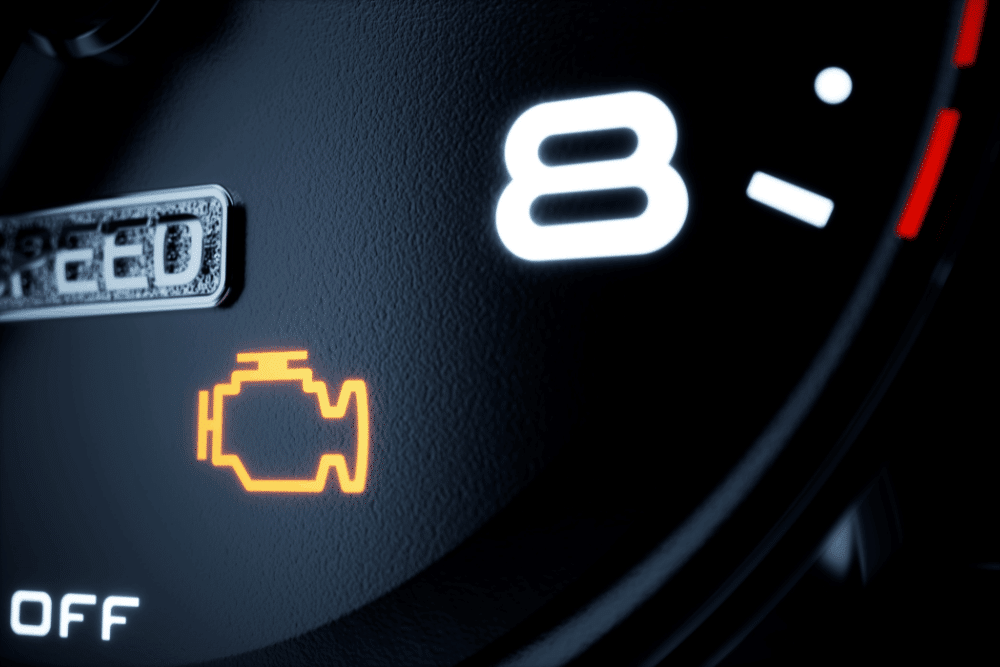
Proper tire pressure isn’t just about avoiding that dashboard warning light. It’s your first defense against cold-weather hazards.
The Right Way to Check Pressure
- Timing matters: Check when tires are cold, meaning the vehicle hasn’t been driven for at least three hours
- Manual is better: Don’t rely solely on TPMS, which only alerts after pressure drops 25% below recommended levels
- Find the magic number: Check the driver’s side door jamb for manufacturer specs, not the number on the tire sidewall
- Include the spare: That forgotten tire in your trunk needs attention too
Maintaining proper winter tire pressure requires rechecking every two weeks as temperatures fluctuate. If you’re losing more than 1-2 PSI between checks, you likely have a slow leak. We use precision equipment to ensure your tires are inflated correctly for Albuquerque’s climate and inspect valve stems for damage that could cause leaks.
Check #2: Tread Depth and Tire Condition
Your tires’ grooves channel water, grip pavement, and keep you connected to the road.
Quick Tests You Can Do Right Now
The Penny Test: Insert a penny into the tread with Lincoln’s head upside down. If you see the top of his head, your tread is below 2/32 inch and legally needs replacement.
The Quarter Upgrade: For better cold weather performance, use a quarter instead. If you can see Washington’s head, consider replacement even though you’re still above legal limits.
What Uneven Wear Actually Tells You
- Center wear: Chronic overinflation
- Edge wear: Persistent underinflation
- One-side wear: Alignment issues that need immediate correction
- Cupping or scalloping: Suspension problems or balance issues
Look for cracks, bulges, or embedded objects that signal bigger problems. Uneven wear compromises handling and safety while shortening tire life dramatically.
Check #3: Your Brakes Need More Than a Listen
That squealing sound isn’t just annoying. It’s your brake pads screaming for help. Cold weather affects brake fluid and pad performance, making fall the ideal time for inspection.
What a Real Brake Inspection Covers
- Pad thickness: Minimum 3-4mm prevents metal-on-metal contact
- Rotor condition: Checking for warping or scoring
- Brake fluid quality: Testing for moisture contamination
- Caliper operation: Ensuring even pressure and seal integrity
- Line integrity: Finding cracks or leaks before failure
Warning Signs You Can't Ignore
- Squealing or grinding noises when braking
- Vibration through the brake pedal
- Soft or spongy pedal feel
- Vehicle pulling to one side during stops
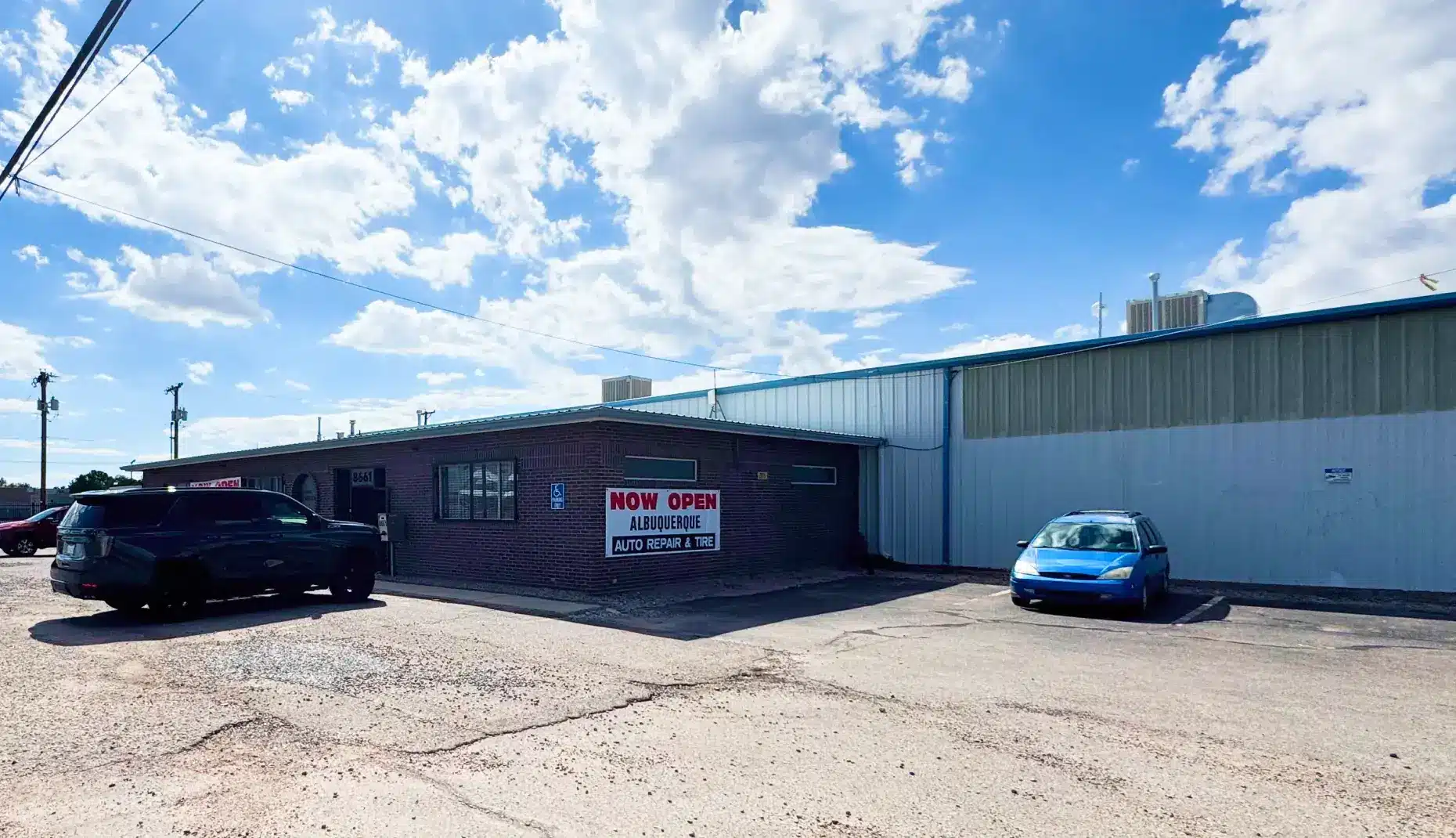
If you’re experiencing any of these symptoms, schedule your tire and brake inspection at Albuquerque Auto Repair & Tire. Call us at 505-317-4232 or visit us at 8661 San Pedro Drive NE, Albuquerque, NM 87113. Our diagnostic capabilities identify issues quickly, and we complete repairs efficiently.
Check #4: Tire Rotation and Alignment Save Money
Here’s something most drivers miss: proper rotation and alignment can extend your tire life by 25% or more. That’s real money staying in your pocket.
The Rotation Schedule
Every 5,000-7,500 miles is ideal for most vehicles. Front-wheel-drive vehicles wear front tires faster, while all-wheel-drive systems like those in Subarus distribute wear more evenly but still benefit from regular rotation.
Alignment Red Flags
- Pulling left or right on straight roads
- Steering wheel sits crooked when driving straight
- Uneven or rapid tire wear on edges
Albuquerque’s roads, with occasional potholes and construction zones, can knock alignment out of specification quickly. We use Hunter alignment equipment to measure and adjust camber, caster, and toe angles to manufacturer specifications.
Check #5: Understanding All-Season Tires for Mountain State Driving
Let’s settle the winter tire debate for Albuquerque conditions.
When All-Season Tires Work
For most daily driving in Albuquerque proper, quality all-season tires perform well through fall and winter. They’re designed to handle temperatures down to about 45 degrees and light snow conditions.
Best for: City commuters, paved highway travel, occasional light snow exposure
When You Need More
If your weekends involve ski trips to Taos, camping in the Jemez Mountains, exploring back roads near the Sandias, or regular travel above 7,000 feet, winter tires deserve consideration.
Popular vehicles in our area like Subaru Outbacks, Toyota 4Runners and Tacomas, and Jeep Wranglers often venture into conditions where winter tires make a significant safety difference. Winter tires use softer rubber compounds that remain flexible below 45 degrees and feature deeper tread patterns for snow and ice traction.
The Hidden Factor: Brake Fluid and Cold Weather Chemistry
Here’s something most articles skip: brake fluid is hygroscopic, meaning it absorbs moisture from the air over time. In cold weather, that moisture can freeze in brake lines or lower the fluid’s boiling point during hard braking.
Fresh brake fluid: Boiling point around 400+ degrees
Contaminated fluid: Boiling point can drop below 300 degrees
We recommend flushing brake fluid every 30,000 miles or three years. This simple service maintains optimal braking performance and prevents expensive component damage.
Why Choose Albuquerque Auto Repair & Tire for Winter Prep
Preparing your vehicle for cold weather requires expertise, proper equipment, and attention to detail. Here’s what sets us apart:
- Comprehensive Diagnostics: We identify root causes, not just symptoms, and explain everything in plain language.
- Quality Products: We exclusively use full synthetic oils and stock tire brands suited for our local climate and driving conditions.
- Advanced Equipment: Our Hunter alignment system and modern diagnostic tools ensure accurate, efficient service.
- Local Expertise: We understand how Albuquerque’s unique climate affects your vehicle and what actually matters for your driving conditions.
- Strong Warranty: Every repair is backed by our 3-year, 36,000-mile warranty, demonstrating confidence in our workmanship.
Our team specializes in domestic, Asian, and Subaru vehicles, from Toyota Tundras to Honda Civics and Subaru Outbacks. Visit our brake repair and tire services pages to learn more about how we keep your vehicle running safely.
FAQs About Tire and Brake Maintenance for Cold Weather
How do I know if my tires are winter-ready?
Check your tire tread depth using the penny test and ensure adequate depth of at least 4/32 inch for cold-weather driving. Also verify that tire pressure matches manufacturer recommendations, as cold temperatures reduce PSI and affect traction and handling.
Why is tire pressure important in cold weather?
Maintaining proper winter tire pressure is critical because tire pressure drops approximately 1-2 PSI for every 10-degree temperature decrease, which reduces traction, increases braking distance, and causes uneven tire wear. Properly inflated tires maintain optimal contact with the road, improving safety and fuel efficiency during cold months.
How often should I check my brakes in winter?
Have your brakes professionally inspected at least once before winter and immediately if you notice any warning signs like squealing, grinding, or soft pedal feel. Regular checks ensure brake pads, rotors, and fluid are in good condition to handle increased stopping demands on cold or slippery roads.
Can all-season tires handle cold weather?
All-season tires perform adequately in moderate cold weather and light snow, making them suitable for most Albuquerque driving conditions. However, if you regularly drive in higher elevations, encounter frequent snow and ice, or travel to mountain areas, dedicated winter tires provide superior cold-weather traction and safety.
What causes uneven tire wear and how can I prevent it?
Uneven tire wear typically results from improper tire pressure, misalignment, or suspension problems that affect how tires contact the road. Prevent uneven wear by maintaining correct tire pressure, rotating tires every 5,000-7,500 miles, and scheduling alignment checks annually or after hitting potholes or curbs.
Schedule Your Cold Weather Vehicle Prep in Albuquerque Today
Don’t wait for the first cold snap to discover tire or brake issues. Proactive maintenance keeps you safe, prevents costly emergency repairs, and gives you peace of mind throughout the season.
Visit us at Albuquerque Auto Repair & Tire, 8661 San Pedro Drive NE, Albuquerque, NM 87113, or call us at 505-317-4232 to schedule your tire service and brake inspection. We’re open Monday through Friday, 7:30 AM to 5:30 PM, and we look forward to keeping your vehicle rolling right with precision, pride, and people you can trust.