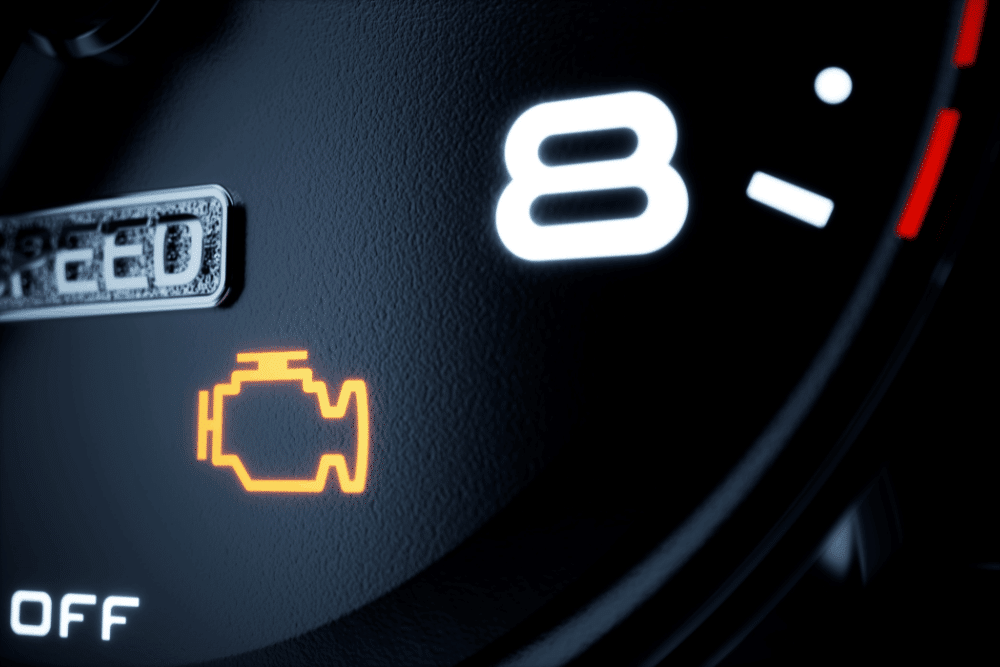
Check engine lights activate when your vehicle’s sensors detect issues with emissions, fuel systems, ignition components, or engine performance. For Albuquerque drivers, common triggers include oxygen sensor failure, spark plug deterioration, mass airflow sensor contamination, and catalytic converter problems. Albuquerque Auto Repair & Tire specializes in diagnosing these warning lights using advanced equipment that reads the specific codes your vehicle stores.
We’ll explore how your warning system works, the most frequent causes behind that dashboard light, and why professional diagnostics save you money on unnecessary repairs.
Understanding Check Engine Lights: What Albuquerque Drivers Need to Know
Modern vehicles are smarter than you might think. Your Engine Control Module acts like a vigilant supervisor, tracking dozens of data points every second you’re driving.
The system monitors:
- Oxygen levels in your exhaust
- Air intake volume and temperature
- Fuel pressure and mixture ratios
- Ignition timing and combustion quality
- Emission control system performance
When readings drift outside acceptable ranges, your dashboard light activates. But here’s what many drivers don’t realize: the light itself tells you how urgent the problem is.
| Light Pattern | What It Means | What You Should Do |
|---|---|---|
| Steady light | Something needs attention soon | Schedule a diagnostic within a few days |
| Flashing light | Active misfires are occurring | Stop driving immediately to prevent expensive damage |
| Intermittent light | Issue appears under specific conditions | Monitor the pattern and schedule a diagnostic |
The Real Culprits Behind That Dashboard Warning
The Fix Nobody Expects
Your gas cap might seem too simple to cause problems, but it’s responsible for more check engine lights than any other single component. Albuquerque’s dry climate and temperature swings crack the rubber seals over time, breaking the fuel system’s pressure seal.
Try this before panicking: tighten your gas cap until you hear three distinct clicks. Drive normally for a day or two. If the light stays off, you just saved yourself a diagnostic appointment.
Oxygen Sensors Wear Out Faster Than You Think
These small sensors live in your exhaust system’s harsh environment, measuring unburned oxygen thousands of times per minute. Heat, vibration, and corrosive exhaust gases gradually degrade them.
What happens when they fail:
- Your fuel economy drops noticeably
- The engine runs rougher than usual
- Your catalytic converter faces increased stress
Most oxygen sensors last between 60,000 and 90,000 miles. If you commute long distances or frequently drive mountain roads around Albuquerque, expect them to wear on the earlier side of that range.
When Ignition Components Start Failing
Spark plugs and ignition coils don’t last forever. As they age, combustion becomes inconsistent, triggering misfires that your vehicle’s computer immediately detects.
Warning signs beyond the check engine light:
- Rough idling at stoplights
- Hesitation during acceleration
- Noticeable loss of power uphill
Regular replacement according to your manufacturer’s schedule prevents these issues entirely.
The Diagnostic Process That Gets Answers
Here’s where generic code readers from auto parts stores fall short. They’ll tell you a code number, but codes don’t explain why the problem occurred or what really needs fixing.
Professional diagnostics go deeper:
- Code retrieval: Reading all stored and pending diagnostic trouble codes
- System testing: Checking the specific components related to those codes
- Root cause analysis: Determining why the failure occurred, not just what failed
- Visual inspection: Looking for underlying issues that codes don’t reveal
- Verification testing: Confirming the diagnosis before recommending repairs
At Albuquerque Auto Repair & Tire, this approach means you’re never paying for guesswork or unnecessary parts. Our diagnostic equipment reads manufacturer-specific codes that generic scanners miss, especially important for the Toyota, Subaru, and Jeep vehicles popular with Albuquerque’s outdoor community.
What That Code Means for Your Vehicle
Example: "Lean Fuel Mixture" code could indicate:
- Vacuum leak in the intake system
- Failing fuel pump or clogged filter
- Dirty mass airflow sensor
- Faulty fuel pressure regulator
- Cracked intake boot or gasket
Testing each possibility in logical order identifies the real problem without replacing parts randomly. This diagnostic precision saves you money and gets your vehicle fixed right the first time.
Three Problems You Can't Ignore in Albuquerque
Catalytic Converter Failure
This emission control component converts harmful exhaust gases into less toxic substances. When it fails, you’ll notice reduced performance, possible sulfur smell from the exhaust, and significantly worse fuel economy. Catalytic converters rarely fail on their own. They usually die because another problem went unaddressed, like faulty oxygen sensors or persistent engine misfires.
Mass Airflow Sensor Contamination
Your MAF sensor measures incoming air so your engine computer can calculate the perfect fuel mixture. Albuquerque’s high-desert environment means dust and debris constantly threaten to contaminate this sensitive component. Symptoms include difficulty starting, rough idling, and poor throttle response. Professional cleaning or replacement restores smooth operation.
EVAP System Leaks
Your vehicle’s evaporative emission system prevents fuel vapors from escaping into the atmosphere. Small leaks in hoses, valves, or the charcoal canister trigger the check engine light even though everything seems fine while driving. These leaks are nearly impossible to detect without professional smoke testing equipment.
Why Albuquerque Drivers Choose Professional Diagnostics
The difference between accurate diagnostics and parts-swapping guesswork determines whether you spend $100 or $1,000 fixing the same problem. When you work with experienced technicians at Albuquerque Auto Repair & Tire, you’re getting precision diagnostics backed by real expertise.
Our approach includes:
- Advanced diagnostic equipment that reads manufacturer-specific codes
- Digital vehicle inspections with photo documentation
- Clear explanations in everyday language, not technical jargon
- Honest priority recommendations about what needs immediate attention
- 3-year, 36,000-mile warranty backing all diagnostic work and repairs
We specialize in the domestic, Asian, and Subaru vehicles that Northeast Heights families and North Valley adventurers rely on daily. Whether you’re commuting to work, hauling gear to the mountains, or preparing for a road trip to Santa Fe, accurate diagnostics keep your vehicle dependable.
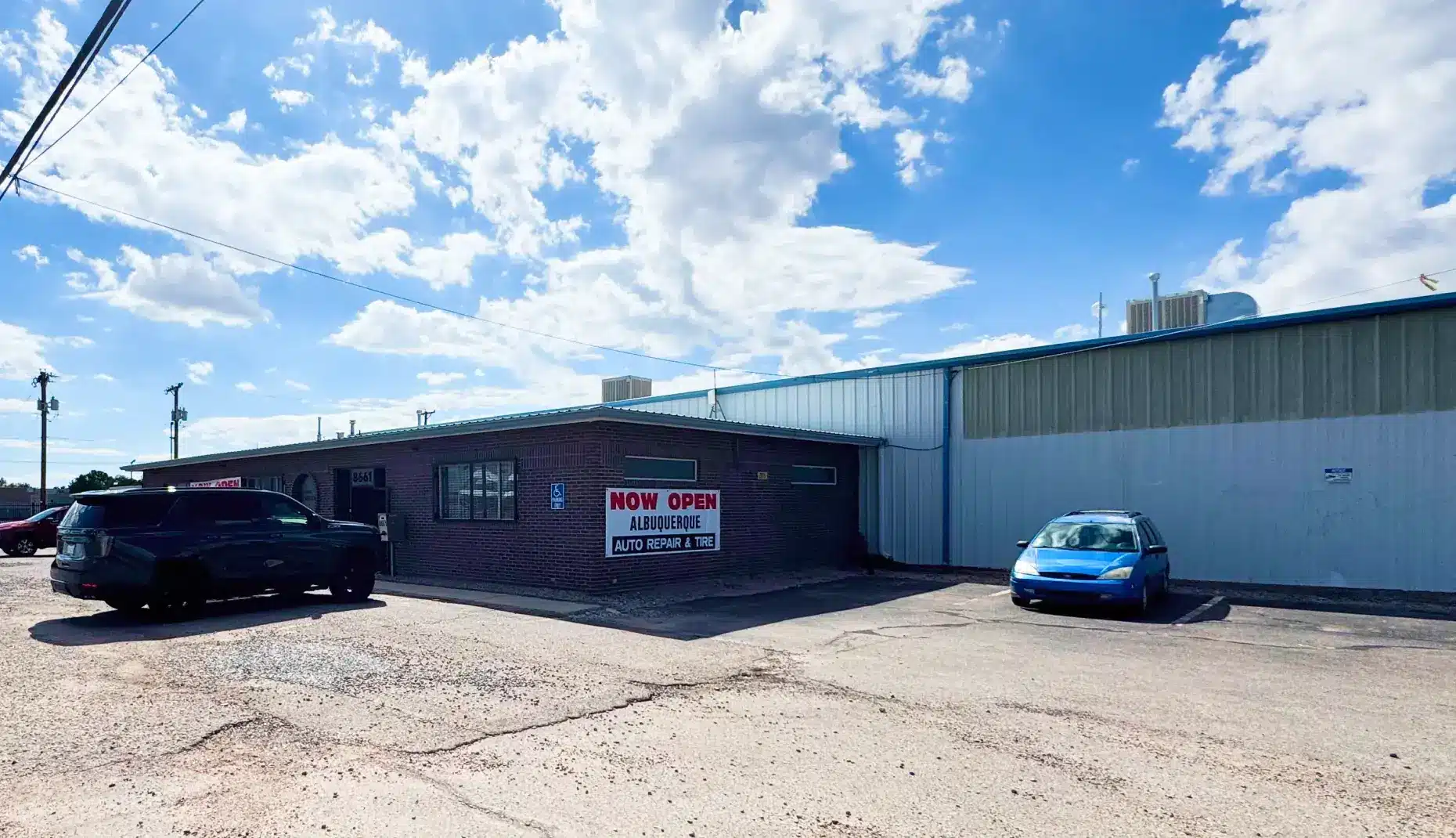
Need answers about your check engine light? Visit us at 8661 San Pedro Drive NE, Albuquerque, NM 87113, or call 505-317-4232 to schedule your diagnostic service.
Prevention Beats Emergency Repairs Every Time
While some check engine light triggers are unpredictable, many result from deferred maintenance. Following your manufacturer’s service schedule prevents most common causes.
Maintenance that protects against warning lights:
- Regular oil changes using full synthetic oil
- Air filter replacements on schedule
- Spark plug changes at recommended intervals
- Fuel system cleaning services
- Periodic inspection of emission system components
Small investments in preventative maintenance save you from expensive repairs later. Our digital vehicle inspections at every service visit document your vehicle’s condition, helping you make informed decisions about maintenance timing.
FAQs About Check Engine Light Diagnostics & Services
What is the most common reason for a check engine light?
The most common reason for a check engine light is a loose or faulty gas cap, which allows fuel vapors to escape from the sealed fuel system. Other frequent causes include failing oxygen sensors, worn spark plugs, or issues with the catalytic converter that develop over time with normal vehicle use.
Can I drive with my check engine light on?
You can typically drive short distances with a steady check engine light, but you should schedule a diagnostic soon to prevent potential damage. If the light is flashing, stop driving immediately as this indicates serious engine misfires that can quickly damage your catalytic converter and lead to expensive repairs.
How much does it cost to diagnose a check engine light?
Check engine light diagnostics typically cost between $80 and $150 at most auto repair shops, depending on the complexity of the issue and equipment needed. Professional diagnostics save you money by identifying the exact problem and preventing unnecessary part replacements.
Will my check engine light reset itself after repairs?
After proper repairs are completed, technicians will clear the diagnostic codes from your vehicle’s computer, turning off the check engine light immediately. Some minor issues may clear themselves after several driving cycles if the problem resolves, but most require professional attention and code clearing to turn off the light permanently.
Can extreme weather affect my check engine light?
Yes, extreme temperature changes common in Albuquerque can trigger check engine lights by affecting sensor readings or causing thermal expansion issues in components. Cold weather may cause temporary sensor malfunctions, while heat can accelerate wear on oxygen sensors, spark plugs, and emission system components.
Schedule Your Check Engine Light Diagnostic in Albuquerque, NM Today
That check engine light deserves professional attention, whether it’s a simple fix or something more complex. At Albuquerque Auto Repair & Tire, we combine precision diagnostics with straight talk to keep you confidently on the road.
Our commitment to integrity, efficiency, and quality workmanship means you’re getting honest recommendations backed by our comprehensive warranty. We serve busy professionals, active families, and military personnel from Kirtland Air Force Base throughout Northeast Heights, North Valley, and the surrounding Albuquerque areas who value transparency and expertise.
Visit us at 8661 San Pedro Drive NE, Albuquerque, NM 87113, or call 505-317-4232 to schedule your diagnostic service. Let’s get that warning light diagnosed correctly and get you back to exploring everything New Mexico has to offer.